Scary Nocturnal Emissions and Hematospermia (Blood in Semen)
Every man wants his penis to function normally:
“Either ejaculate semen or urinate. No third option.”
But sometimes the penis seems to have a mind of its own, leading to a “nocturnal emission” (wet dream) during sleep. Even worse, when you ejaculate during excitement, you might notice it's not normal semen but blood in semen – sometimes with clots!
This can be terrifying. What exactly is hematospermia (blood in semen)? If you experience nocturnal emissions or blood in your semen, what should you do? Many men worry about losing sexual function or fertility – I still want to enjoy sex!
Is nocturnal emission a good thing?
Don't panic. We're here to explain everything about nocturnal emissions and hematospermia in a clear, reassuring way.

1.1 Common Misconceptions About Nocturnal Emissions
Many believe that a nocturnal emission during sleep must be caused by an erotic dream, like dreaming of a busty woman seducing you and having intense sex in a bathroom.
You climax intensely in the dream, wake up, and find semen in your underwear.
However, experts confirm that the frequency of nocturnal emissions has no direct link to erotic dreams or sexual thoughts. Even if you're not having sexual fantasies, wet dreams can still occur. Nocturnal emissions are a natural physiological response.

1.2 What Is Nocturnal Emission?
Nocturnal emission, also known as a wet dream, refers to involuntary ejaculation during sleep, often triggered by physical stimulation like body position changes or friction. It does not always involve erotic dreams, and not every man experiences it.
Nocturnal emissions can occur from adolescence into adulthood. As long as ejaculation is possible, wet dreams may happen. Even men over 30 experiencing them is completely normal.
Some people don't remember the dream and only notice semen upon waking. Others recall vivid erotic dreams leading to realistic orgasm sensations, resulting in actual ejaculation. This is a common definition of nocturnal emission.
Related reading: Male Squirting? 100% Success Methods Revealed

1.3 Causes of Nocturnal Emissions – Is It a Good Thing?
Nocturnal emissions are not directly related to erotic dreams. Frequency varies individually and is unrelated to sexual fantasies. Common causes include:
- Friction from bedding or underwear: Turning in sleep can stimulate the penis, leading to ejaculation.
- Sensitive penis: Some men are more sensitive, increasing likelihood.
- Accumulated semen: Prolonged abstinence can build pressure, causing spontaneous release – like a full reservoir overflowing.
Nocturnal emissions are a normal physiological phenomenon in adults. Frequency differs per person; no need to worry or try reducing them. However, if very frequent (daily) or disrupting life, consult a doctor.
1.4 What Color Is Semen from Nocturnal Emission?
If the color matches your usual semen, no issue. But if reddish, read on carefully!
- Normal color: No problem.
- Reddish: Potential hematospermia – see below.
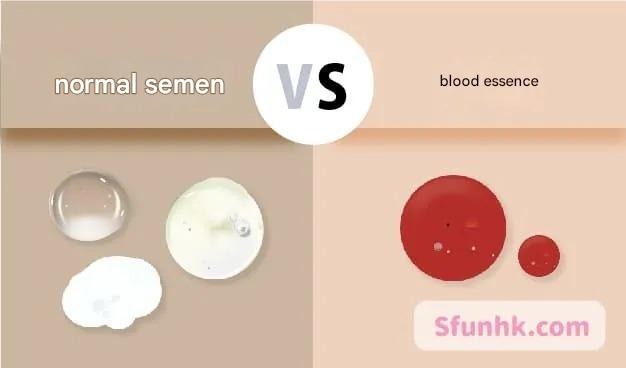
Normal nocturnal emission semen is milky white or translucent. After long abstinence, it may appear yellowish and thicker – still normal.
2.1 What Is Hematospermia – Red Semen Is Terrifying
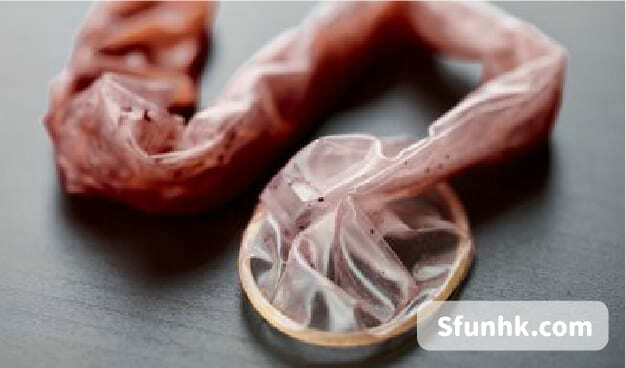
Hematospermia definition: Blood streaks, clots, or reddish/brownish semen during ejaculation. Common in sexually active men aged 20-40.
Normal semen is white or pale yellow. Seeing blood can be shocking. Many assume it's from excessive sex or masturbation. Don't worry – most cases are benign.
Related reading: 7 Benefits of Masturbation for Men | Can It Boost Immunity?
2.2 Causes of Hematospermia? Does It Heal Itself?
Many fear permanent damage or infertility. Hematospermia symptoms are usually temporary.
Healthy men don't have blood in semen. Common benign causes (Level 1 risk):
Benign Causes (Low Risk):
Frequent or infrequent sex, intense activity causing minor tears. Often self-resolving without treatment.
- Excessive pressure in seminal vesicles during ejaculation
- Low sexual frequency increasing secretion pressure
- Rough sex damaging glans or urethra

Higher Risk Causes (Level 100):
Rarely serious, but possible:
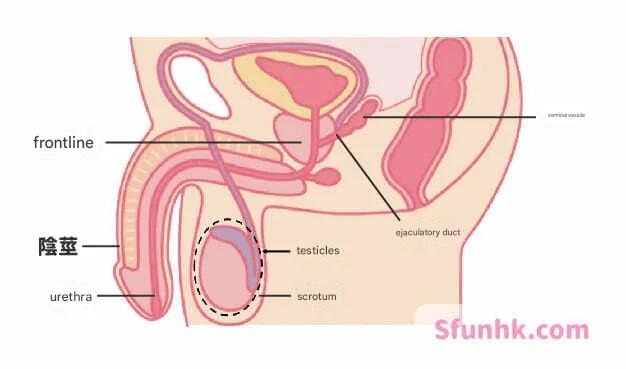
- Inflammation: Urethritis, seminal vesiculitis, prostatitis
- Infections: Prostate or urethral
- Stones, tumors, trauma
- STIs, kidney issues, cancer, clotting disorders
Most hematospermia is benign and self-heals. Persistent or with bloody urine: See doctor promptly for tests.
2.3 Hematospermia Treatment and Prevention
Treatment
Avoid self-medication. See a urologist for proper diagnosis: Urine/semen tests, prostate exam, ultrasound if needed.
Healthy Diet and Lifestyle
Eat fruits/vegetables, reduce salt/processed foods, stay hydrated, avoid alcohol/spicy foods. Maintain healthy weight, exercise, reduce stress, quit smoking. Gentle sex; avoid withholding ejaculation to prevent pressure buildup.


Now you understand nocturnal emissions and hematospermia better. Short-term issues usually resolve naturally. Take care of your health – stay strong and enjoy life!
Frequently Asked Questions (FAQ)
What is nocturnal emission?
Nocturnal emission, or wet dream, is involuntary ejaculation during sleep, often without an erotic dream. It's a normal physiological response.
Is nocturnal emission normal or a good thing?
Yes, it's completely normal and common, especially in teens and young adults. It indicates healthy reproductive function and is not harmful.
What causes nocturnal emissions?
Physical friction, sensitivity, hormonal changes, or semen buildup from abstinence. Not linked to erotic thoughts.
What is hematospermia?
Hematospermia is blood in semen, appearing red, pink, or brown. Most cases are benign.
What are hematospermia symptoms?
Visible blood in ejaculate, sometimes clots. Usually painless, but may accompany urinary issues if serious.
Does hematospermia heal itself?
Yes, most cases resolve spontaneously within weeks without treatment.
When should I see a doctor for blood in semen?
If over 40, persistent (over 1-2 months), recurrent, with pain, urinary blood, or other symptoms. Younger men with single episode often need only reassurance.
Can nocturnal emissions or hematospermia affect fertility?
No, both are usually harmless and do not impact sexual function or fertility long-term.
This article is for informational purposes only and not medical advice. Consult a healthcare professional for personalized concerns.