Among the three diseases that have most impacted human health history—smallpox, plague, and syphilis—the first two have been eradicated, but syphilis remains a persistent threat. Early syphilis often presents with painless rashes that can heal spontaneously, leading many to mistakenly believe they're cured. This article uncovers the truth about early syphilis symptoms to help you avoid being misled and seek timely care!
What is Syphilis? Early Symptoms Explained
Syphilis is a sexually transmitted infection caused by the bacterium Treponema pallidum. It primarily spreads through sexual contact.
Incubation period: Typically 10–90 days, averaging 3 weeks, though sometimes longer.
Syphilis is common in the 25–39 age group, with higher rates in men (male-to-female ratio ~4:1). Key early signs include chancres (painless ulcers) on genitals, anus, or mouth. While incurable in the past, penicillin now effectively treats it, though complications remain serious if untreated. Recognizing syphilis symptoms early is vital for prevention and management.
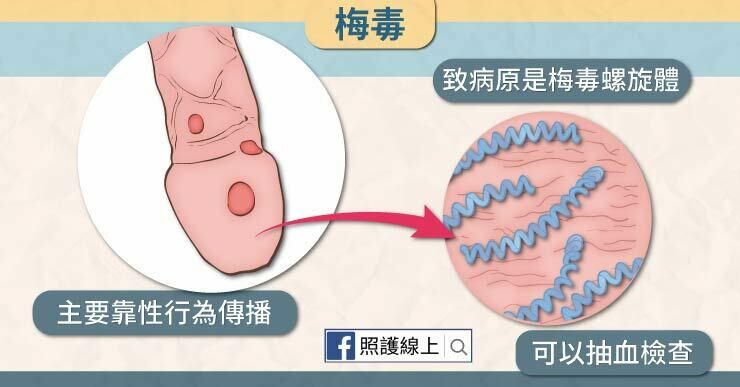
Syphilis overview. Image source: Care Online
Syphilis Transmission: Intimate Contact is Key Risk
As an STI, syphilis mainly transmits via sexual activity including vaginal, anal, oral sex, or sharing toys—involving exchange of bodily fluids (blood, semen, vaginal secretions, saliva). Even deep kissing carries risk if sores are present.
Everyday contacts like toilet seats, pools, baths, handshakes, or shared meals pose virtually no risk—the bacterium requires specific conditions to survive. Direct contact with infectious lesions is the main concern. Sources: Centers for Disease Control and Prevention.
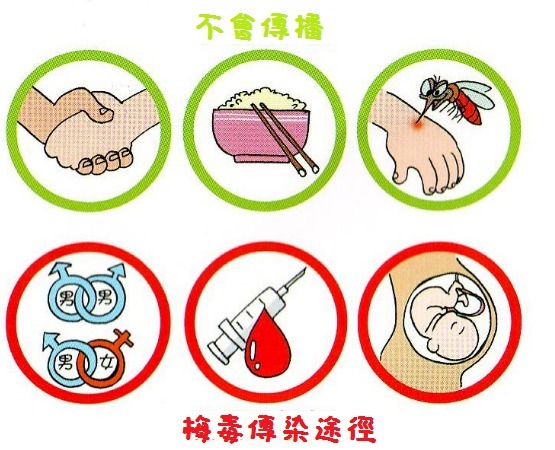
Syphilis transmission paths. Image source: Minsheng Medical Laboratory
Syphilis Symptoms: Focus on Skin Rashes
Many remain unaware of infection due to subtle signs. Distinctive early features include painless red rashes or ulcers, often overlooked.
Watch for syphilis rashes (maculopapular, non-itchy red spots) or chancres—especially around genitals. Any unusual skin changes in intimate areas warrant immediate medical evaluation.
Common early indicators:
Key Early Syphilis Signs:
1. Painless ulcers/chancres in mouth, lips, anus, rectum, or genitals
2. Widespread rashes or chancres anywhere on body
3. Flu-like symptoms (fever, fatigue)
4. Later: Gummas (soft tumors) in skin/bones
Progression worsens without treatment.
Authoritative U.S. Hospital Explains Syphilis:
Syphilis Stages: Primary, Secondary, Tertiary Symptoms
Syphilis progresses in three main stages with varying symptoms in men and women. Early detection prevents severe outcomes, including congenital transmission to fetuses in pregnancy—critical for expectant mothers.
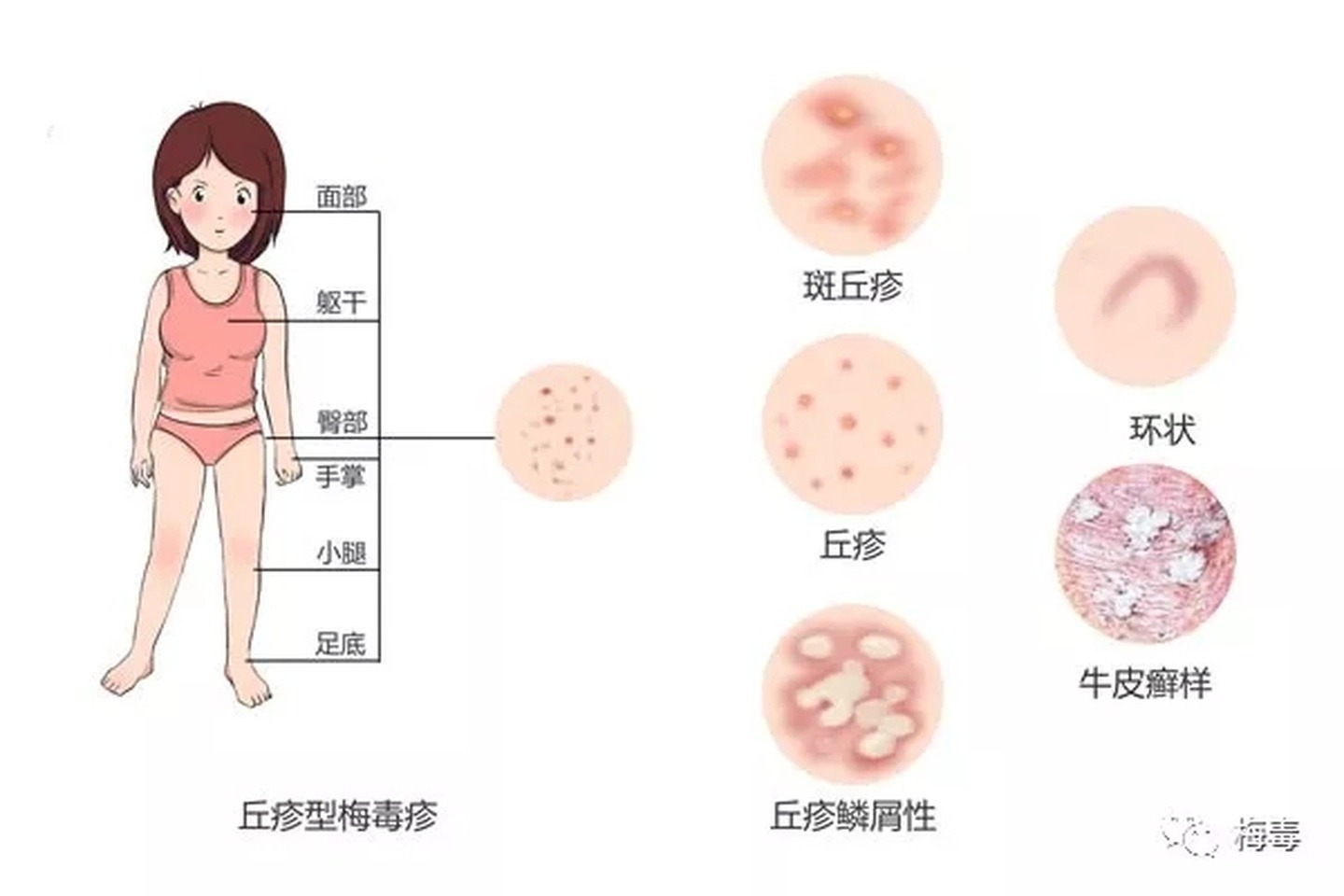
Syphilis symptoms overview.
Primary Stage: Initial Rash Appearance
Hallmark: Painless hard chancre (ulcer) at infection site—often genitals, anus, mouth. Highly contagious secretions. Ulcers heal in 3–6 weeks without treatment, misleading many into thinking cured. Seek testing immediately. Source: Mayo Clinic.
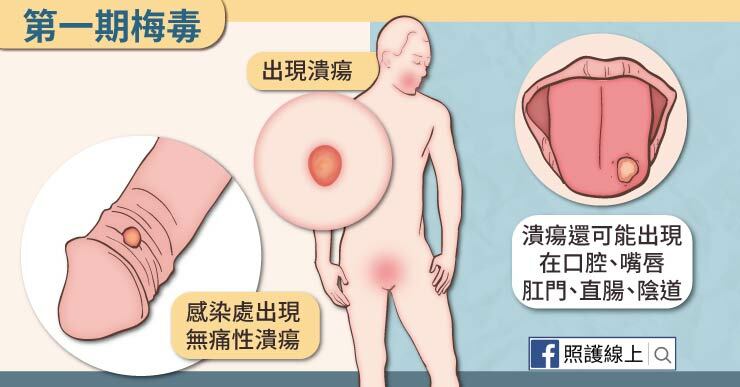
Primary stage symptoms. Image source: Care Online
Secondary Stage: Widespread Rash
Classic red rash on palms/soles (coppery, non-itchy spots); may crust or pustule. Flu-like: fever, headache, swollen nodes, fatigue, weight loss, joint pain. Symptoms fade in 1–2 months, mimicking other illnesses and delaying care.
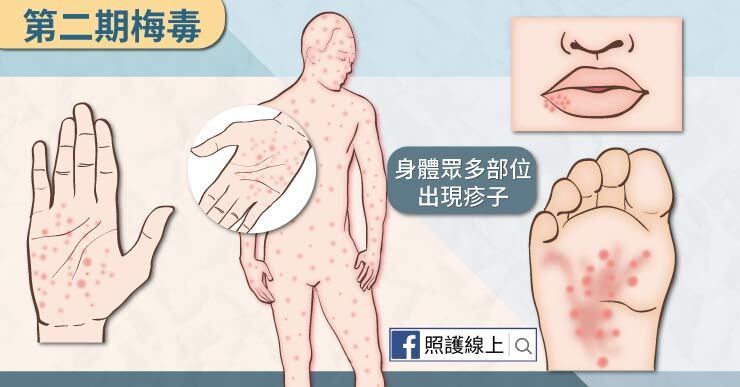
Secondary stage symptoms. Image source: Care Online
Tertiary Stage: Organ Invasion
Bacterium attacks heart, vessels, brain, nerves: blindness, deafness, dementia, paralysis, aneurysms. Irreversible damage; life-threatening. Many reach this undetected due to intermittent symptoms.
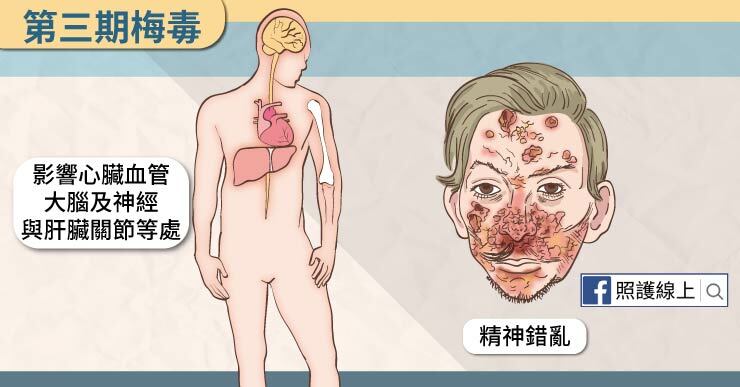
Tertiary stage symptoms. Image source: Care Online
Syphilis Treatment and Prevention
Early treatment minimizes harm. Penicillin injections cure most cases—single dose for recent infections. Highly effective; reduces complications. High contagiousness in early stages with rashes/ulcers.
Delayed cases require longer courses. Test/treat partners to prevent reinfection—especially pregnant women, as untreated syphilis risks fetal transmission.
Prevention: Faithful monogamy, consistent condom use. No lifelong immunity post-treatment—reinfection possible. Regular testing for at-risk individuals. Sources: World Health Organization.
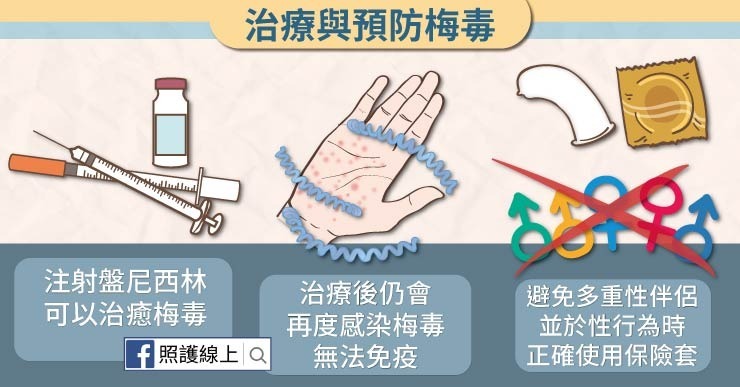
Treatment and prevention. Image source: Care Online
Common Questions About Syphilis (FAQs)
1. Are red spots on my body syphilis symptoms?
Common early sign: red rash on palms/soles or lips. Painless ulcers possible. Seek medical testing promptly.
2. Can early-stage syphilis be fully cured?
Yes—penicillin highly effective if caught early. High cure rate; early rash stage very contagious.
3. How to avoid syphilis infection?
Via intimate fluid contact—limit partners, use protection consistently. Regular testing essential.
4. How to detect syphilis early?
Watch skin changes (rashes, ulcers), flu symptoms post-risky contact. Testing recommended after unprotected sex.

Written by: Dr. K, Your Sex Education Expert
Content reflects author's opinion; not official site stance.
{ "@context": "https://schema.org", "@type": "FAQPage", "mainEntity": [ { "@type": "Question", "name": "Are red spots on my body syphilis symptoms?", "acceptedAnswer": { "@type": "Answer", "text": "Common early sign: red rash on palms/soles or lips. Painless ulcers possible. Seek medical testing promptly." } }, { "@type": "Question", "name": "Can early-stage syphilis be fully cured?", "acceptedAnswer": { "@type": "Answer", "text": "Yes—penicillin highly effective if caught early. High cure rate; early rash stage very contagious." } }, { "@type": "Question", "name": "How to avoid syphilis infection?", "acceptedAnswer": { "@type": "Answer", "text": "Via intimate fluid contact—limit partners, use protection consistently. Regular testing essential." } }, { "@type": "Question", "name": "How to detect syphilis early?", "acceptedAnswer": { "@type": "Answer", "text": "Watch skin changes (rashes, ulcers), flu symptoms post-risky contact. Testing recommended after unprotected sex." } } ] }