Home
/ 部落格列表
/ English blog
/ All About Areolas: Normal Variations, Common Types & Myths Debunked
文章分類
All About Areolas: Normal Variations, Common Types & Myths Debunked
2026-01-02
You may not know much about your areolas – one of the most private parts of the body. This small pigmented circle around the nipple sparks many questions: Is darkening normal? Is my size okay? Can I make large areolas smaller?
Don't worry – we'll answer everything with facts, including common areola types seen in Hong Kong. All variations are completely natural and healthy.
1. What Is an Areola? It Even Lubricates the Nipple!
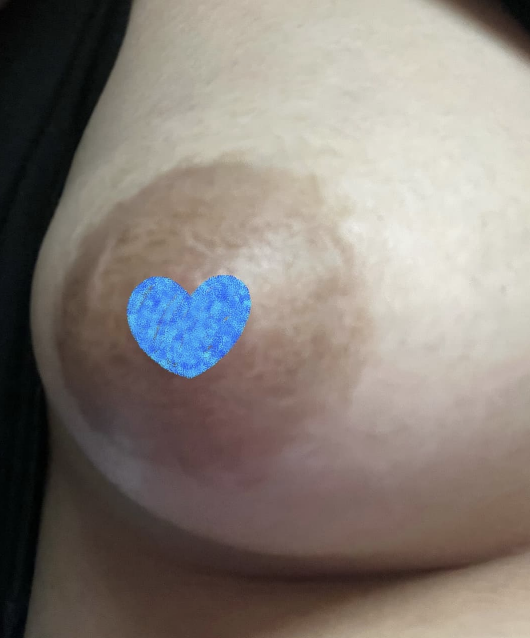
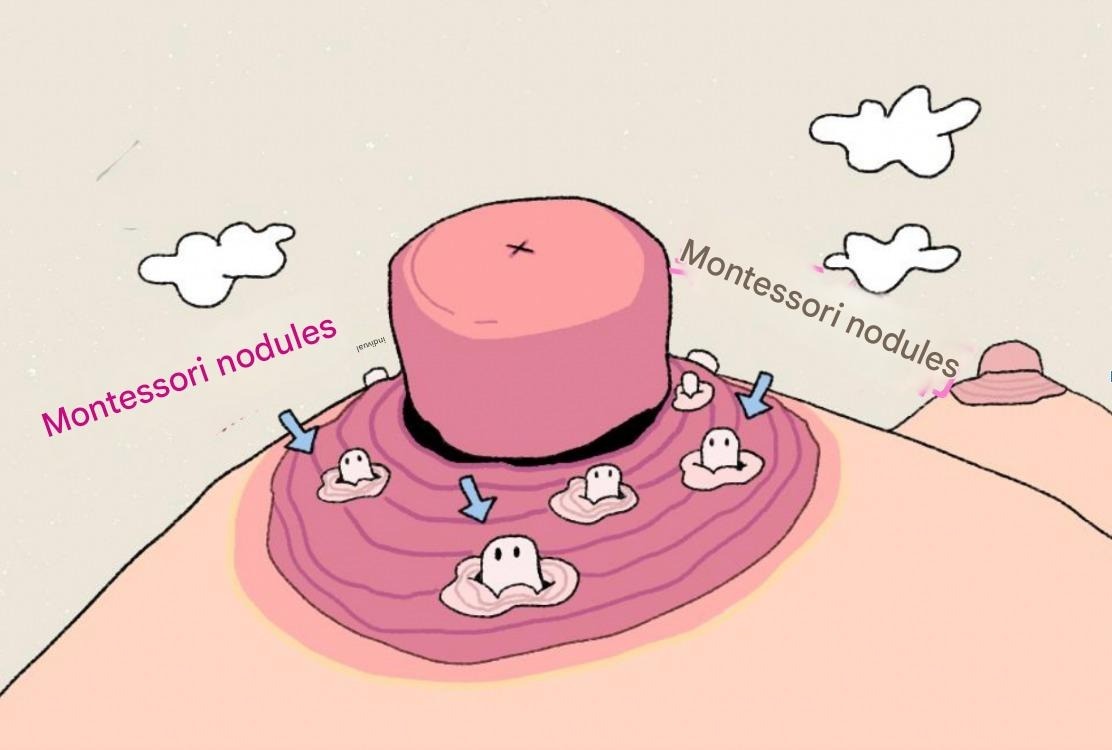
The areola is the pigmented area surrounding the nipple, usually circular or oval. It contains sebaceous glands (Montgomery glands) that produce natural oils.
One key function: keeping the nipple moisturized and protected, reducing friction during breastfeeding or stimulation.
2. "Large Areolas Mean She's Been Sucked A Lot?" – Absolutely Not 🙅🏻♀️
A common story: A guy dates someone new. She's shy about showing her breasts at first. When he finally sees them – large, dark areolas (like Oreo cookies 🍪).
He feels uncomfortable, assuming it means previous partners "sucked them a lot." The thought lingers, affecting intimacy.
Reality: Areola appearance has ZERO connection to sexual history. This myth is outdated and harmful.
3. Large/Dark Areolas Have No Link to Sex Drive or Experience
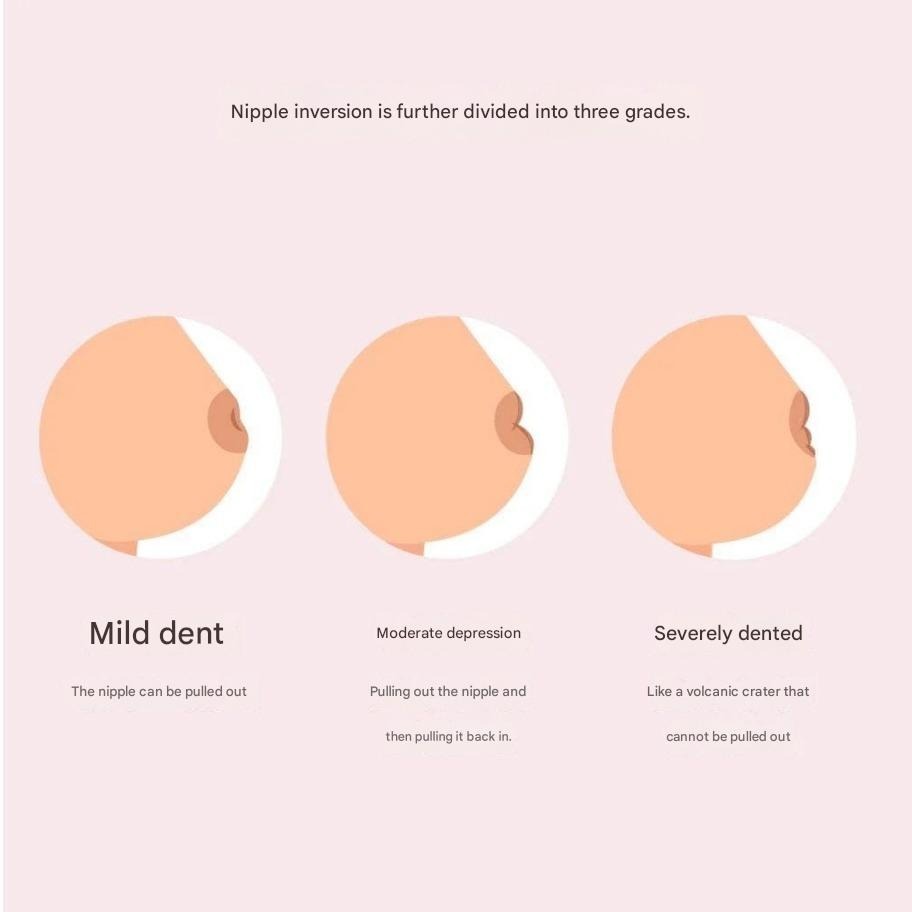
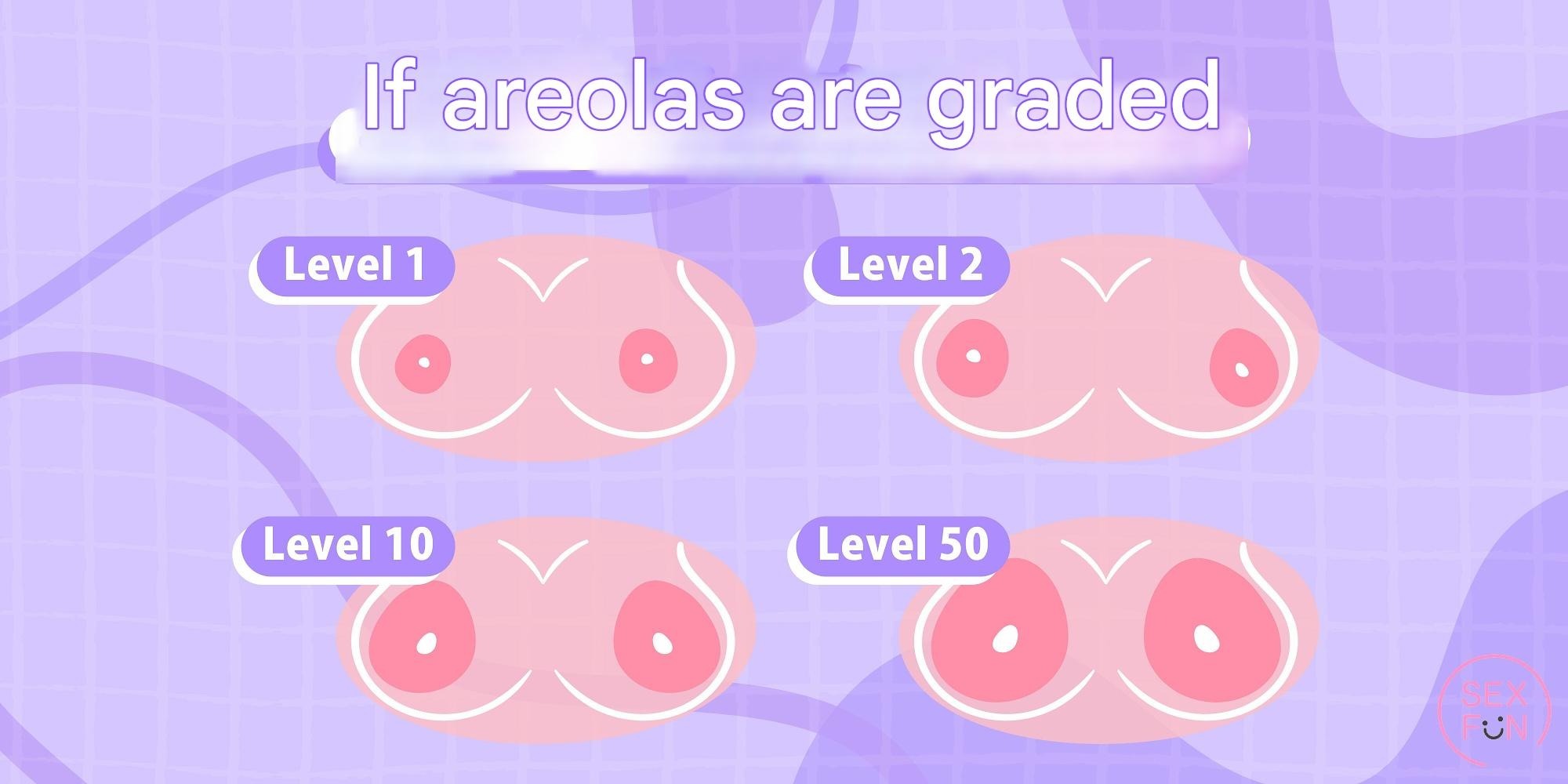
Every person's areolas are unique – some dark, some large, some inverted. All normal parts of your body.
Ignore harmful myths like:
"Large areolas = high sex drive" ❌
"Large areolas = many partners" ❌❌
"Large areolas = not virgin" ❌❌❌
Your areolas are always normal. Girls – never feel ashamed of large areolas. Many partners find them attractive and sensual.
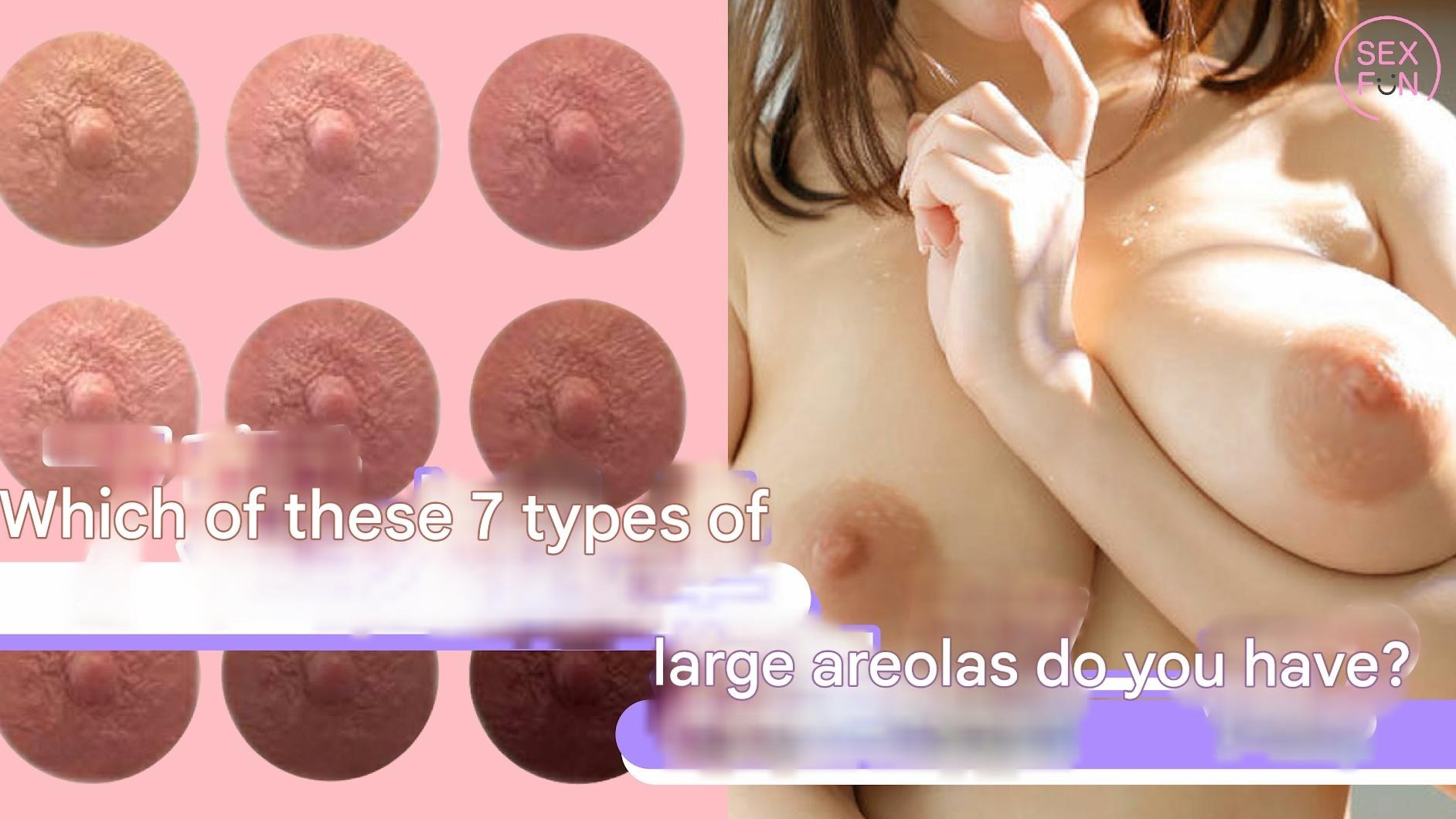
Next: Common areola variations seen in Hong Kong women.
Many don't mind size at all. Plenty find large areolas sensual – warm, inviting, and enjoyable during intimacy.
How can I change areola size or color?
All types are normal – surgery not recommended initially. For lightening, try gentle moisturizing products first. Consult professionals for safe options.
When should I worry about areola changes?
Sudden one-sided changes, pain, discharge, lumps, or rash – see a doctor. Natural changes (pregnancy, age) are usually fine.
Why do areolas get darker during pregnancy?
Hormones increase pigmentation for better newborn visibility during breastfeeding – temporary and functional.
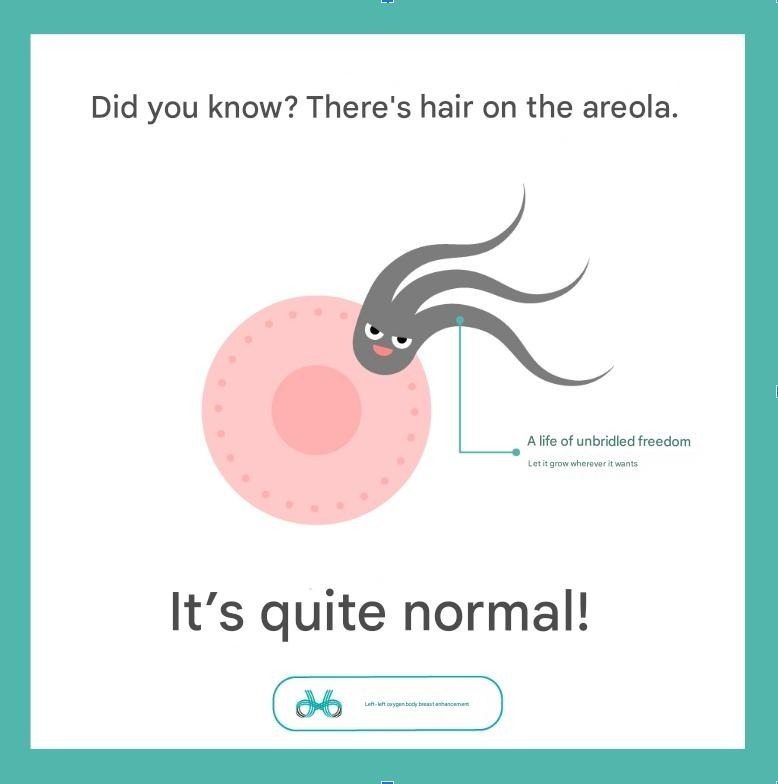
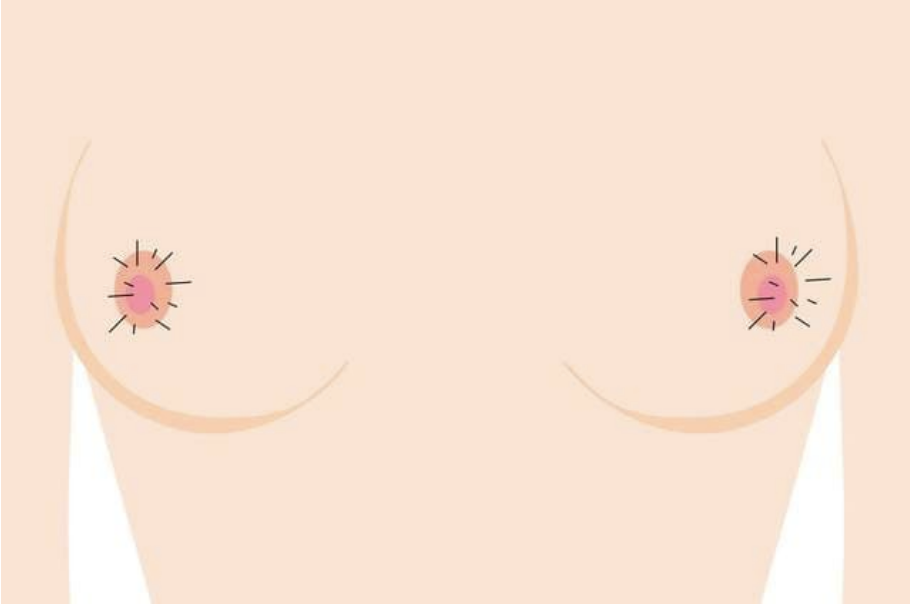
Are bumpy or hairy areolas normal?
Yes – bumps are oil glands; hair is natural follicles. Both common and healthy.
Remember: Every areola is unique and beautiful. Embrace yours with confidence!
The above content does not represent the website's official stance.