Many women have experienced this: on certain days of the month, sexual desire becomes noticeably stronger, with increased interest in intimacy, sex, or masturbation. This phenomenon is not psychological or accidental, but closely linked to a key phase of the female reproductive cycle — ovulation.
Is Increased Libido During Ovulation a Normal Biological Response?
Yes. Increased libido during ovulation is a common and normal physiological response. Multiple gynecological and endocrinology studies show that around ovulation, estrogen and luteinizing hormone (LH) levels peak, directly influencing sexual desire, arousal, and physical sensitivity.
During this time, the brain also becomes more responsive to dopamine and oxytocin, hormones associated with pleasure, bonding, and emotional connection. As a result, women may feel more receptive to intimacy and sexual interaction.

Hormonal activity becomes more active during ovulation. Image source: Business Proposal (drama still)
Why Does Sexual Desire Increase During Ovulation? A Scientific View
Ovulation is the process in which a mature egg is released from the ovary, usually occurring between day 12 and day 16 of a typical 28-day menstrual cycle. During this phase, the body undergoes several biological changes designed to maximize fertility.
Key Hormonal Changes Include:
- Estrogen increase: enhances libido, vaginal lubrication, and skin radiance
- Luteinizing hormone surge: triggers ovulation and heightens sexual responsiveness
- Slight rise in basal body temperature: indicates a higher metabolic state
From an evolutionary perspective, heightened libido during ovulation is a natural reproductive mechanism, not a sign of weak self-control or emotional instability.

External stimulation can further enhance sexual desire. Image source: 365 Days (film still)
Common Physical and Libido-Related Signs During Ovulation
Many women experience the following physical and emotional changes during ovulation:
- Increased vaginal discharge, often clear and stretchy
- Heightened physical sensitivity to touch
- Stronger desire for intimacy, sex, or masturbation
- Improved mood and increased self-confidence
- More frequent sexual thoughts or fantasies
All of these changes are hormone-driven and medically recognized as normal physiological responses.
How Long Does Increased Libido During Ovulation Last?
In most women, the period of heightened sexual desire around ovulation lasts approximately 7 to 10 days. This window includes the days leading up to ovulation and the short period immediately afterward.
Once ovulation has passed, the body gradually enters the luteal phase. During this phase, estrogen levels decline while progesterone rises, often resulting in reduced sexual desire and lower physical sensitivity.
This hormonal shift explains why many couples notice that female sexual interest naturally fluctuates throughout the menstrual cycle. These changes are biological rather than emotional or relational.

When both partners engage actively, intimacy and sexual satisfaction may increase. Image source: What’s Wrong With Secretary Kim (drama still)
Ovulation, Sexual Desire, and Safe Intimacy Practices
An increase in libido during ovulation does not mean sexual activity should be suppressed. However, safe sexual practices are essential, particularly for those who are not planning to conceive.
Because ovulation is the phase with the highest likelihood of pregnancy, appropriate contraception — such as condoms, oral contraceptives, or physician-recommended methods — should be considered to reduce unintended pregnancy risk.
From a medical perspective, open communication between partners regarding boundaries, expectations, and contraception improves both physical safety and emotional well-being.
For women without a sexual partner, masturbation during ovulation is considered a safe and healthy behavior. Research suggests that self-stimulation can help relieve sexual tension, regulate mood, reduce stress, and improve sleep quality.
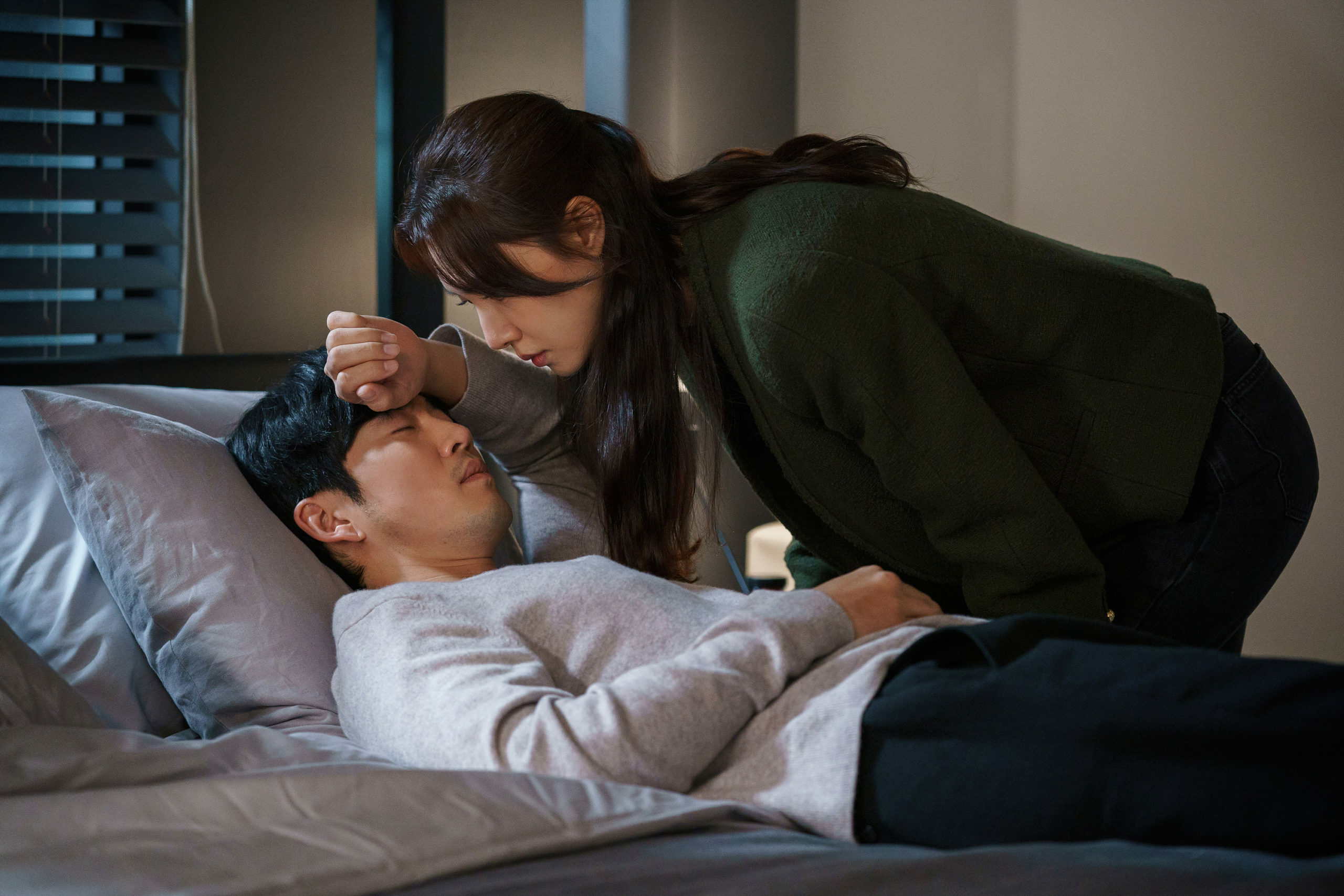
Women may experience a period of heightened sexual desire during ovulation. Image source: Kiss Sixth Sense (drama still)
Additional Scientific Insights on Ovulation and Female Sexual Desire
Clinical studies in reproductive endocrinology indicate that ovulation influences not only libido but also perception of attractiveness, scent sensitivity, and emotional openness. These changes are believed to be mediated by estrogen’s effect on the central nervous system.
Some studies also suggest that women may subconsciously display more confidence, sociability, and receptiveness during ovulation. These subtle behavioral shifts further support the evolutionary function of this phase.
Importantly, experiencing strong sexual desire during ovulation does not imply an obligation to engage in sexual activity. Personal comfort, consent, and emotional readiness should always guide decision-making.
Ovulation and Sexual Desire | Frequently Asked Questions (FAQ)
Is it normal to feel especially horny during ovulation?
Absolutely. Heightened sexual desire during ovulation is a natural physiological response driven by hormonal changes, particularly the peaks of estrogen and luteinizing hormone. It does not indicate sexual addiction or psychological issues.
Does ovulation mean my period is starting?
No. Ovulation occurs before menstruation. If the egg is not fertilized, the uterine lining will shed several days later, resulting in menstrual bleeding.
I want to have sex during ovulation but also avoid pregnancy. What should I do?
Use reliable contraception such as condoms, oral contraceptives, or physician-recommended methods. Avoid unprotected sex during the high-fertility window to reduce the risk of unintended pregnancy.
What if my libido is high but my partner’s is low?
Open communication is key. You can also explore intimate activities like touching, kissing, or mutual masturbation to release sexual tension and maintain emotional connection.
Can masturbation during ovulation affect hormonal balance?
No. Masturbation is a safe and healthy way to release sexual tension. Studies indicate it can reduce stress, improve mood, and even enhance sleep quality, without disrupting natural hormonal cycles.
Are women subconsciously more attractive to partners during ovulation?
Yes. Research suggests women may appear more confident, sociable, and physically attractive during ovulation due to hormonal influences on skin tone, scent cues, and behavioral cues, which can increase partner interest.
How can partners enhance intimacy during a woman’s ovulation?
Both partners being proactive, engaging in emotional communication, physical closeness, and consensual sexual activity can increase sexual satisfaction. Understanding the ovulation cycle helps optimize timing for intimacy.
For more information on ovulation and sexual health, check these helpful resources:
Further Reading: Special Days of Increased Sexual Desire? 6 Signs of Female Ovulation
Further Reading: How to Calculate Ovulation Period
Written by: Yukari
This article is based on medical and scientific research and is intended for educational purposes only. It is not medical advice and should not replace consultation with healthcare professionals.