Home
/ 部落格列表
/ English blog
/ Why You Should Avoid Liquid Condoms 2026 Real Reviews & Risk Breakdown
文章分類
Why You Should Avoid Liquid Condoms 2026 Real Reviews & Risk Breakdown
2026-02-02
Why You Should Avoid Liquid Condoms
2026 Real Reviews & Risk Breakdown
Are liquid condoms really safe and more comfortable?
Here’s the honest truth based on medical facts and real Hong Kong user experiences.
What Exactly Are Liquid Condoms?
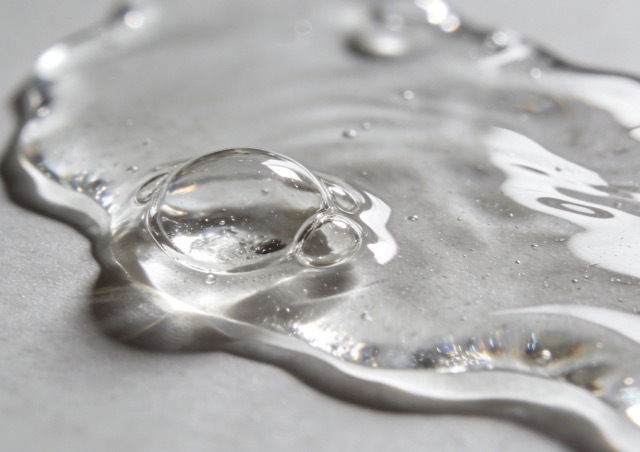
Liquid condoms (also called liquid sleeves, liquid birth control gel, or spermicidal gel) are products marketed as an alternative to traditional latex condoms. You apply the gel or liquid inside the vagina, where it is supposed to form a thin barrier film that blocks sperm.
Many ads highlight “zero distance”, “more natural feel”, and “no rubber sensation”. However, the actual performance and safety are far from what the marketing claims.
The Real Risks and Problems of Liquid Condoms
Key Facts You Need to Know (2026 Medical Consensus)
• High contraceptive failure rate (typical use failure rate around 18–28%)
• Almost zero protection against STIs and HIV
• Spermicide ingredients can cause vaginal irritation, allergies, and microbiome imbalance
• Easily diluted or washed away by vaginal fluids, lube, squirting, or urine
• Extremely difficult to get the dosage, placement, and timing right
Marketing Claims vs Reality
What They Claim
More comfortable, no rubber feeling
Suitable for latex allergy sufferers
Feels more natural
What Actually Happens
Contraceptive reliability is much lower than regular condoms (98% vs 70–82%)
Basically no protection against sexually transmitted infections
Very high user error rate (most people don’t know the correct amount or placement)
The film is easily disrupted or displaced
Long-term use may increase risk of vaginal infections
Real Feedback from Hong Kong Users
“Still got pregnant”, “Didn’t work at all — washed away after shower”, “Worst was allergic reaction and swelling”, “Just wear a normal condom, it’s safer”
Most discussions on LIHKG, forums, and social media in Hong Kong and Chinese communities are overwhelmingly negative. We used to sell liquid condoms for a period, but customer feedback was consistently poor, so we stopped carrying them.
Frequently Asked Questions
Are liquid condoms really as effective as the ads claim?
No. The typical-use failure rate is around 18–28%, much higher than condoms (~2% with perfect use). Many users make mistakes with dosage, timing, or placement, making real-world effectiveness even lower.
Do liquid condoms protect against STIs and HIV?
No, they provide almost zero protection. Spermicides mainly target sperm — they do not reliably inactivate viruses (HIV, herpes, HPV) or bacteria (gonorrhea, chlamydia, syphilis).
Can liquid condoms cause irritation or infections?
Yes, quite commonly. Many users report itching, burning, redness, swelling, or allergic reactions. Spermicides can also disrupt the vaginal microbiome, increasing the risk of yeast infections or bacterial vaginosis — especially with repeated use.
Are liquid condoms a good option for people with latex allergy?
While they avoid latex, their very low contraceptive reliability and lack of STI protection make them a poor choice. Non-latex condoms (polyurethane, polyisoprene, etc.) are usually a much safer and more effective alternative.
Does vaginal fluid or showering wash the liquid condom away?
Yes — very easily. Natural vaginal discharge, lubricant, pre-ejaculate, squirting, urine, or even gentle washing can dilute or completely remove the film, which is one of the main reasons for high failure rates.
Are there any good liquid condom products in 2026?
As of 2026, the majority of products on the market still rely on spermicides (nonoxynol-9 or similar) with no major technological breakthrough. Medical and sexual health experts continue to recommend properly used, high-quality traditional condoms as the most reliable dual-protection method.
Conclusion: Are Liquid Condoms Worth Using Right Now?
Based on current (2026) technology and medical evidence, liquid condoms are not a reliable choice for contraception or STI prevention.
If your goals are effective birth control, protection against STIs/HIV, and peace of mind during intimacy, the safest and most proven option remains:
sFun HK — Your Trusted Sexual Health & Wellness Store
Physical store in Kwun Tong + Discreet delivery + 100% authentic products
{"@context": "https://schema.org", "@type": "BlogPosting", "headline": "Why You Should Avoid Liquid Condoms – 2026 Real Reviews & Risk Breakdown", "alternativeHeadline": "Are liquid condoms really safe and more comfortable? Medical facts + real Hong Kong user experiences", "name": "Why You Should Avoid Liquid Condoms – 2026 Real Reviews & Risk Breakdown - sFun HK", "description": "Liquid condoms promise zero distance and a natural feel, but they have high failure rates, offer almost no STI protection, and can cause irritation. See 2026 medical consensus and real Hong Kong user feedback.", "articleBody": "Liquid condoms (also called liquid sleeves, liquid birth control gel, or spermicidal gel) are products marketed as an alternative to traditional latex condoms...", "datePublished": "2026-02-03T08:00:00+08:00", "dateModified": "2026-02-03T23:30:00+08:00", "mainEntityOfPage": { "@type": "WebPage", "@id": "https://www.sfunhk.com/blog/posts/liquid-condoms-risks" }, "url": "https://www.sfunhk.com/blog/posts/liquid-condoms-risks", "author": { "@type": "Organization", "@id": "https://www.sfunhk.com/#organization", "name": "sFun HK", "url": "https://www.sfunhk.com/" }, "publisher": { "@type": "Organization", "@id": "https://www.sfunhk.com/#organization", "name": "sFun HK", "url": "https://www.sfunhk.com/", "logo": { "@type": "ImageObject", "url": "https://shoplineimg.com/591518d1d4e3954afe00278a/6937ce381642570018bf5921/1200x.webp?source_format=png", "width": 1200, "height": 630 } }, "image": [ "https://img.shoplineapp.com/media/image_clips/698005732bcb7759b1e56fe6/original.jpeg", "https://img.shoplineapp.com/media/image_clips/698005d15a975d387d5b3b3e/original.jpeg", "https://img.shoplineapp.com/media/image_clips/698006317cebe183565c907a/original.jpeg" ], "keywords": [ "liquid condom", "liquid sleeve", "spermicide gel", ], "articleSection": "Sexual Health", "inLanguage": "en", "isAccessibleForFree": true, "wordCount": 620, "mainEntity": { "@type": "FAQPage", "mainEntity": [ { "@type": "Question", "name": "Are liquid condoms really as effective as the ads claim?", "acceptedAnswer": { "@type": "Answer", "text": "No. The typical-use failure rate is around 18–28%, much higher than condoms (~2% with perfect use). Many users make mistakes with dosage, timing, or placement, making real-world effectiveness even lower." } }, { "@type": "Question", "name": "Do liquid condoms protect against STIs and HIV?", "acceptedAnswer": { "@type": "Answer", "text": "No, they provide almost zero protection. Spermicides mainly target sperm — they do not reliably inactivate viruses (HIV, herpes, HPV) or bacteria (gonorrhea, chlamydia, syphilis)." } }, { "@type": "Question", "name": "Can liquid condoms cause irritation or infections?", "acceptedAnswer": { "@type": "Answer", "text": "Yes, quite commonly. Many users report itching, burning, redness, swelling, or allergic reactions. Spermicides can also disrupt the vaginal microbiome, increasing the risk of yeast infections or bacterial vaginosis — especially with repeated use." } }, { "@type": "Question", "name": "Are liquid condoms a good option for people with latex allergy?", "acceptedAnswer": { "@type": "Answer", "text": "While they avoid latex, their very low contraceptive reliability and lack of STI protection make them a poor choice. Non-latex condoms (polyurethane, polyisoprene, etc.) are usually a much safer and more effective alternative." } }, { "@type": "Question", "name": "Does vaginal fluid or showering wash the liquid condom away?", "acceptedAnswer": { "@type": "Answer", "text": "Yes — very easily. Natural vaginal discharge, lubricant, pre-ejaculate, squirting, urine, or even gentle washing can dilute or completely remove the film, which is one of the main reasons for high failure rates." } }, { "@type": "Question", "name": "Are there any good liquid condom products in 2026?", "acceptedAnswer": { "@type": "Answer", "text": "As of 2026, the majority of products on the market still rely on spermicides (nonoxynol-9 or similar) with no major technological breakthrough. Medical and sexual health experts continue to recommend properly used, high-quality traditional condoms as the most reliable dual-protection method." } } ] } }