For men, nothing beats performing at your best in front of your partner and satisfying her completely. However, many guys finish too quickly, leading to frustration. That's why countless men search for effective ways on how to last longer in bed, how to not ejaculate quickly, and how to improve intercourse timing. In this comprehensive guide, we'll share 8 proven techniques to help you delay ejaculation, extend your performance, and become more confident in bed. One quick and effortless option is using delay sprays—no training required for instant results that can significantly boost your stamina.
Improving sexual stamina and learning how to delay ejaculation in the long term requires building a healthy, strong body. Regular exercise is essential and addresses the root causes of premature ejaculation, just like professional adult performers do. A fit physique not only helps with lasting longer but also enhances erection quality, libido, and overall sexual satisfaction for both partners.
Technique 1: 15-Minute Aerobic Exercise – Boost Your Stamina and Blood Flow
The foundation of learning how to last longer starts with consistent cardiovascular exercise.
Aerobic exercise includes rhythmic activities lasting over 15 minutes that elevate your heart rate, such as running, brisk walking, swimming, or cycling. Research shows that men in their 60s who maintain regular swimming habits often have sexual performance equivalent to men in their 40s. This directly contributes to better ejaculation control and improved intercourse timing.
Aerobic workouts strengthen your cardiovascular system, enhance blood circulation, and increase blood flow to the penis for firmer, longer-lasting erections.
Regular cardio is one of the most effective natural ways to combat premature ejaculation and erectile issues while building endurance for more satisfying sex. Many men wish they had started sooner—incorporate running, swimming, or cycling into your routine today for noticeable improvements in how to not ejaculate quickly.

Image source: Pexels
Technique 2: Strength Training – Build Muscle, Boost Testosterone and Libido
To truly master how to last longer in bed, combine aerobic exercise with strength training for maximum results.
Weightlifting and resistance training build muscle strength, increase endurance, raise libido, and support fertility—making it one of the top long-term methods for delaying ejaculation and enhancing sexual performance.
Beyond aesthetic benefits, strength training naturally stimulates testosterone production, which plays a crucial role in sexual health, arousal, and stamina.
Going to the gym is a low-cost, high-impact way to gain better control over ejaculation—just commit for one month and you'll see positive changes in your body and intercourse timing.
Professional performers often train intensely for hours daily to maintain peak performance. Imagine significantly extending your sessions—your partner will appreciate the difference!

Image source: Pinterest
Technique 3: Use Delay Condoms – Instant Prolonged Performance
One of the simplest immediate solutions for how to not ejaculate quickly is using specialized delay condoms designed to extend intercourse timing.
These come in two main types: extra-thick designs (around 0.1mm) that act like a shield to reduce sensitivity, and those with mild desensitizing agents like benzocaine. Both effectively lower glans stimulation for longer-lasting sex.
Trusted brands offer reliable options that help many men perform with confidence right away.
The increased thickness and lubrication significantly reduce sensitivity, giving you better control during intercourse.
This technique explains why performers can maintain intense sessions—strategic sensitivity reduction allows for powerful, extended performance.

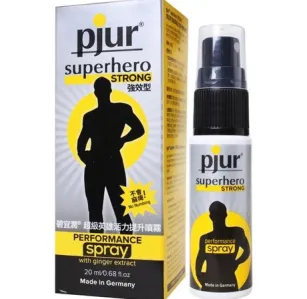
Technique 4: Delay Sprays and Enhancement Creams – Quick Sensitivity Control
Among popular options for how to last longer, topical delay products provide fast, convenient results.
Delay sprays and creams use safe, natural ingredients to temporarily desensitize the penis, while enhancement creams improve blood flow for stronger erections.
Simply apply before activity for noticeable effects. Always purchase from reputable sources and follow usage instructions carefully.
Technique 5: Slow Thrusting (3-Second Rule) – Pace Yourself for Control
Rushing into fast thrusting often leads to early climax. Sexual health experts recommend starting slow to build control.
Take at least 3 seconds for each thrust—slow insertion and slow withdrawal. Only gradually increase speed after 3-4 minutes.
Stay in sync with your partner, incorporate kisses or caresses, and slow down if you feel close. This mindful pacing is essential for improving intercourse timing.

Image source: Pinterest
Technique 6: Stop When Close (Edging) – Master the Pre-Ejaculation Phase
Ejaculation is a gradual process: arousal → stimulation → urge → release. To effectively delay ejaculation, pause or slow down when you sense the urge building.
Switch positions, focus on oral or manual pleasure for your partner, or simply kiss—this gives you recovery time while maintaining intimacy.
Learning to recognize and manage the "point of no return" is key to becoming highly skilled at how to not ejaculate quickly.

Image source: Pinterest
Technique 7: Nine Shallow, One Deep – Rhythmic Thrusting for Mutual Pleasure
This classic technique has been used for centuries to extend performance.
Perform nine shallow thrusts followed by one deep thrust.
The variation reduces your sensitivity while building excitement for your partner. Focus on rhythm and connection rather than strict counting for the best results in intercourse timing.

Image source: Pinterest
Technique 8: Build Confidence – Mindset for Peak Performance
One of the most overlooked yet powerful methods for how to delay ejaculation is cultivating strong self-confidence.
Performance anxiety is a major cause of premature ejaculation. Sexual health experts emphasize that negative thoughts create a self-fulfilling prophecy.
Replace doubt with positive affirmations: remind yourself that you are capable, in control, and able to satisfy your partner fully.
A confident mindset dramatically improves stamina and reduces unnecessary pressure during intimacy.

Image source: Pinterest
Mastering How to Last Longer: Partner Communication is Key
These 8 techniques for how to last longer in bed, how to not ejaculate quickly, and improving intercourse timing can transform your sexual experiences. However, the best sex prioritizes mutual pleasure and emotional connection over duration alone. Focus on your partner's responses, communicate openly, and build intimacy together. Even shorter sessions filled with passion and attentiveness can be incredibly fulfilling.
Best wishes for confident, satisfying encounters every time!
Written by: Your Sexual Health Expert
This content is for informational purposes only and reflects general advice.
Frequently Asked Questions (FAQ) About How to Last Longer in Bed
What is the average intercourse timing for most men?
Studies indicate the average duration of penetrative sex is around 5-7 minutes. Satisfaction depends more on quality, foreplay, and emotional connection than sheer length.
Can regular exercise really help me last longer?
Absolutely. Both aerobic and strength training improve cardiovascular health, testosterone levels, pelvic floor strength, and overall stamina—directly contributing to better ejaculation control.
Are delay sprays and condoms safe and effective?
When purchased from reputable brands and used correctly, they are safe temporary solutions that many men find highly effective for immediate results.
How does the stop-start (edging) technique work?
By pausing stimulation when approaching climax, you train your body to tolerate higher arousal levels, gradually increasing your threshold before ejaculation. You can know more about the edging technique here.
Is premature ejaculation common?
Yes—it's one of the most common sexual concerns among men and often improves with lifestyle changes, practice, and confidence-building techniques.
When should I see a doctor about lasting longer?
If these techniques don't help, the issue persists, or it's causing significant distress, consult a healthcare professional to rule out underlying medical conditions.