Home
/ 部落格列表
/ English blog
/ Dark Areolas: Causes, Solutions & Why They're Beautiful
文章分類
Dark Areolas: Causes, Solutions & Why They're Beautiful
2026-01-02
At sFun HK, we've heard from countless women feeling self-conscious about their darker areolas. Despite having a beautiful face, seeing those "dark patches" can feel discouraging – making some hesitant to be intimate or even look at themselves.
The good news? Dark areolas are completely normal, and there are practical ways to address concerns if you want. Most importantly: every areola is beautiful – it's part of what makes you uniquely you.
1. Why Do Areolas Become Dark? 3 Main Causes
Genetics and inherited traits
Hormonal changes (estrogen levels)
Pregnancy and breastfeeding preparation
Cause 1: Genetics
The most common reason – areola color and size are largely determined by your genes, often inherited from your mother or family line.
Cause 2: Hormonal Changes
Fluctuations during menstrual cycles, stress, contraception, or lifestyle changes can increase estrogen, leading to more melanin production and darker pigmentation around the areolas.
Cause 3: Pregnancy
During pregnancy, breasts prepare for breastfeeding: areolas often darken and enlarge to help newborns locate the nipple more easily. This is natural and usually fades postpartum.
2. Can You Change Areola Size or Color?
Many women with darker areolas also notice larger ones – sometimes covering half the breast. This can feel frustrating, especially when wanting to wear revealing clothes confidently.
Yes, there are safe and effective options if you'd like to lighten or reduce visibility.
3. How to Lighten or Cover Dark Areolas
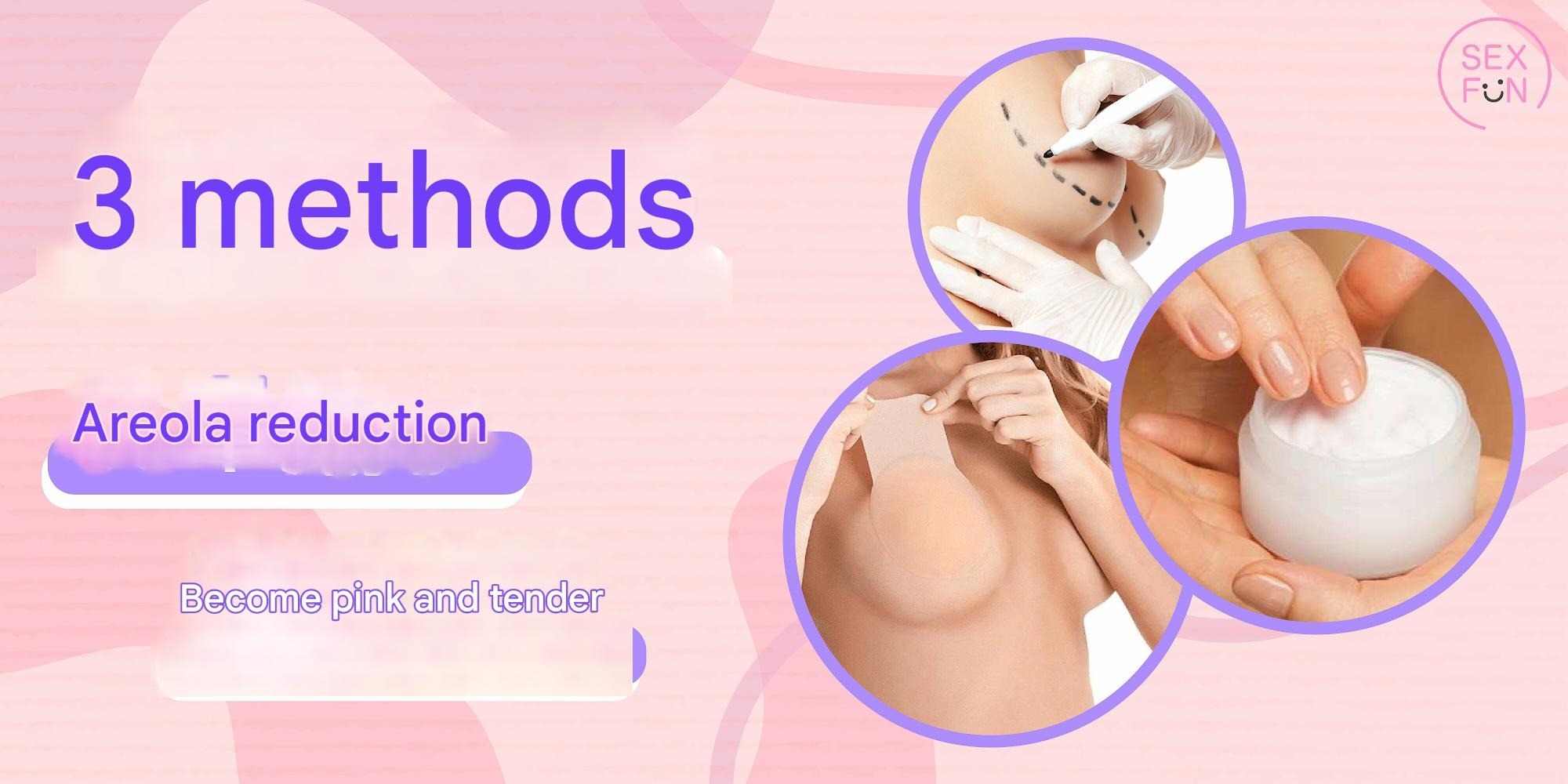
Solution 1: Areola Reduction or Lightening Surgery
Many cosmetic clinics offer professional procedures to reduce size and lighten color – turning darker, larger areolas into smaller, pinker ones.
The process typically involves:
Marking excess tissue
Local anesthesia
Precise removal
Absorbable sutures
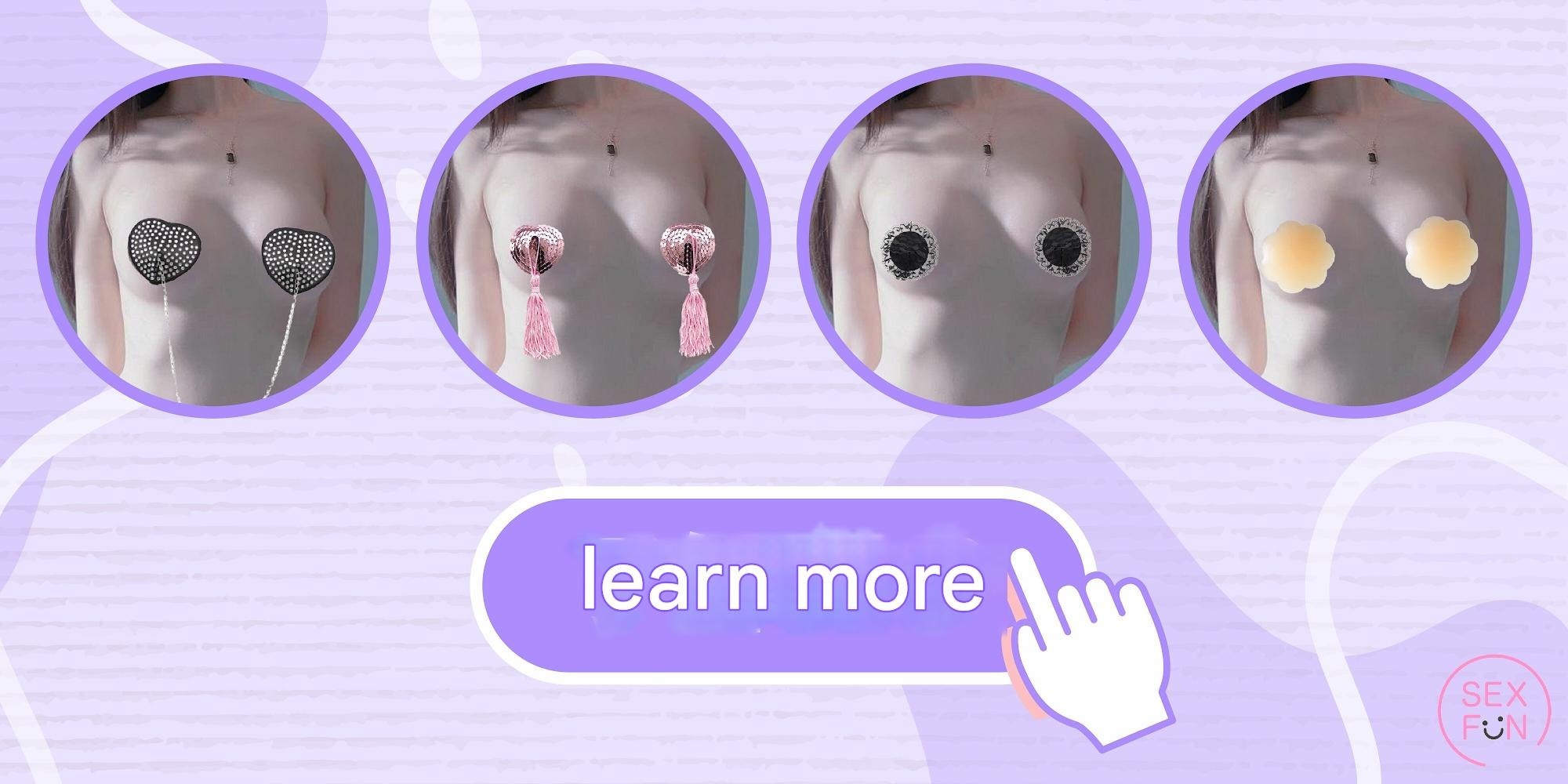
Solution 2: Use Nipple Covers (Pasties)
Perfect for summer outfits, low-cut tops, or swimwear. Larger or darker areolas can sometimes show through clothing – nipple covers provide full coverage and confidence.
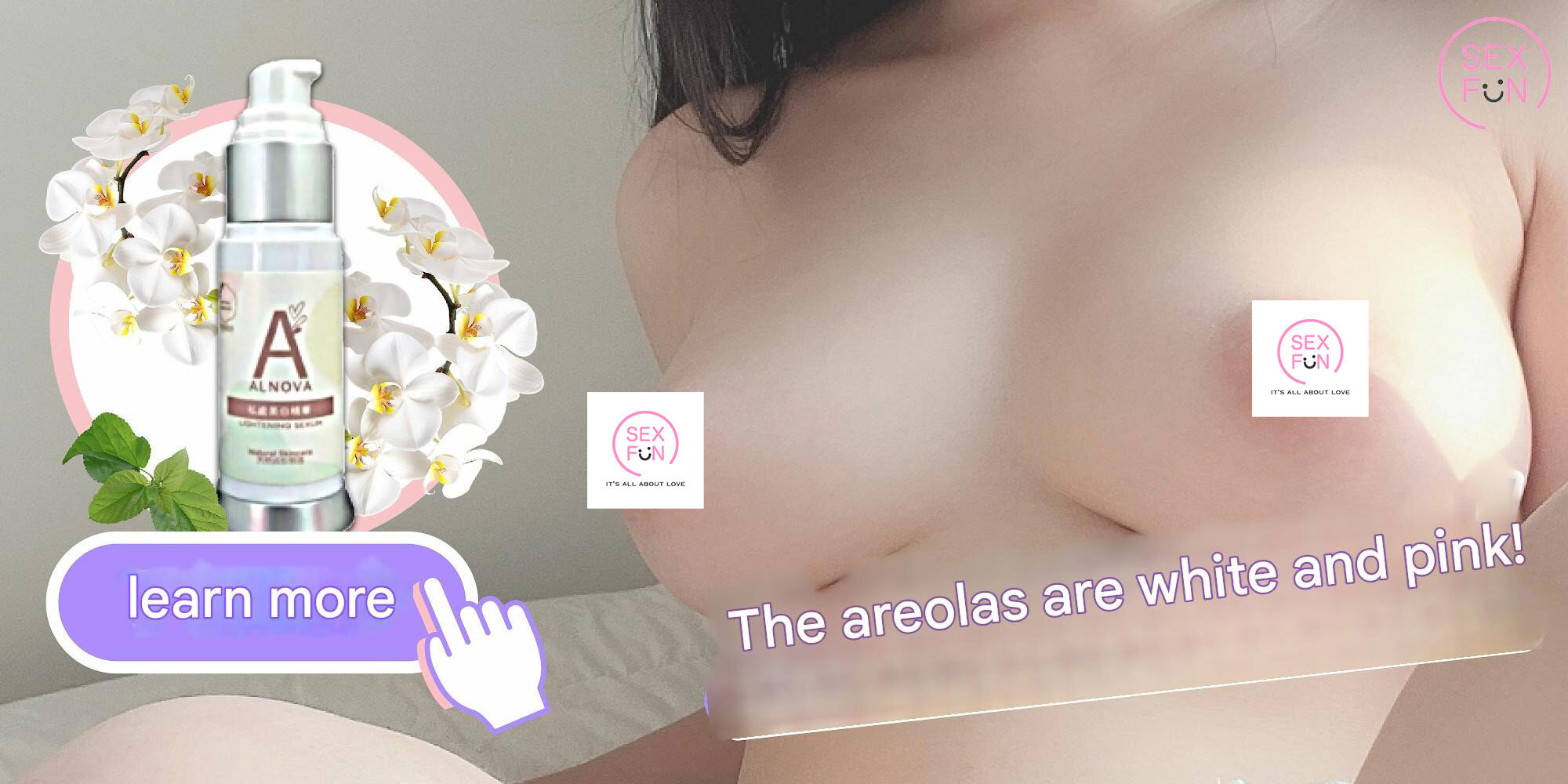
Want naturally pinker nipples? Specialized intimate lightening serums can gradually reduce melanin for a softer, lighter appearance.
Our top recommendation: Alnova Intimate Lightening Serum – made with natural orchid and mulberry extracts to safely fade pigmentation on areolas, intimate areas, scars, and more.
Solution 4: Embrace Your Dark Areolas
The most powerful approach? Self-acceptance. Dark areolas are not ugly – many partners find them incredibly attractive and sensual.
Forums are full of surprised women discovering that plenty of people love darker, larger areolas. Your body is perfect as it is – every shade, shape, and size is beautiful.
Dark Areolas FAQ
Are dark areolas normal?
Absolutely yes. Areolas come in all colors (pink, brown, dark), sizes, textures, and even with hair – every variation is natural and healthy.
My areolas used to be pink but darkened – why?
Color is mostly genetic, but friction from bras, hormonal changes, or weight fluctuations can deepen pigmentation. Switch to softer bras or use nipple covers to reduce irritation.
Does oral stimulation make areolas darker?
No. Color changes aren't caused by intimacy or licking. Darker areolas don't indicate sexual experience – that's a myth.
Do dark areolas mean I'm less attractive?
Not at all. Beauty standards vary, and many people find darker areolas highly desirable and sexy.
Can I prevent areolas from getting darker?
Minimize friction, maintain hormonal balance, and use gentle skincare. Lightening serums can help fade existing pigmentation safely.
Is surgery the only permanent solution?
Surgery offers permanent results, but non-invasive options like serums and covers are popular for gradual improvement without downtime.